

HEBREW UNIVERSITY OF JERUSALEM · FACULTY OF MEDICINE

Organellestress responses andcommunication.

We investigate how cells sense and adapt to mitochondrial and peroxisomal stress, how organelles communicate with one another, and how these pathways shape physiology, aging and disease.

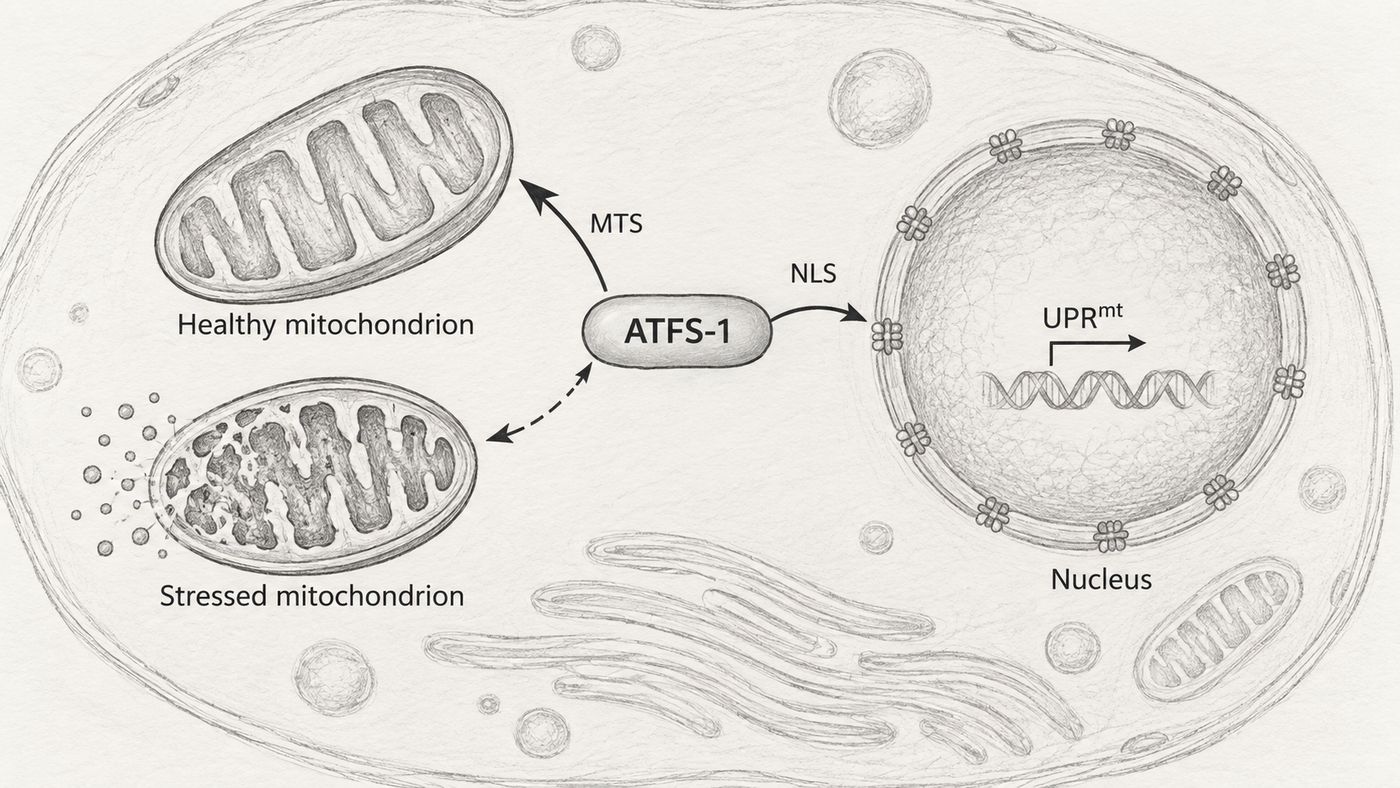
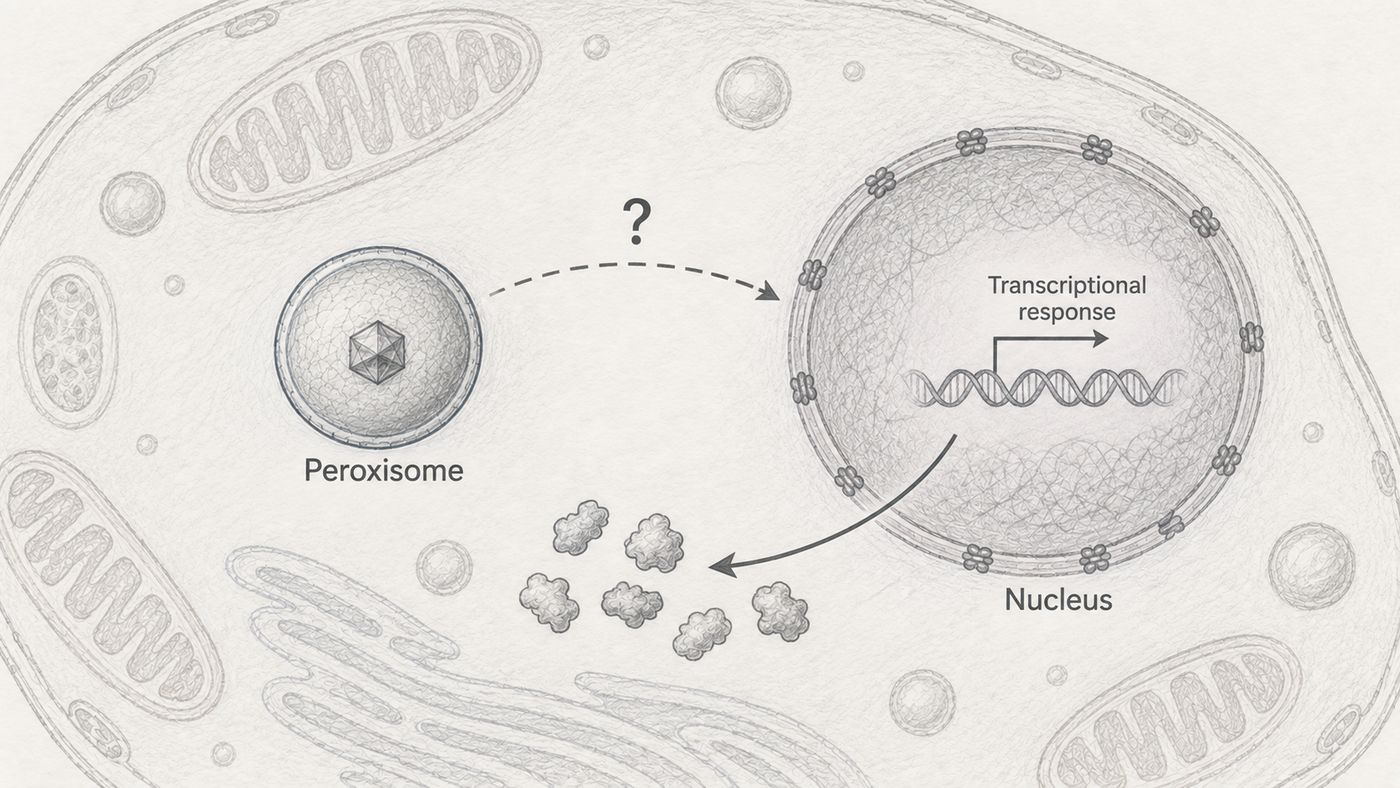
Pencil model of the ATFS-1 mitochondrial stress response Pencil model of the peroxisomal stress response and nuclear transcriptional response

Research Support

Our research is supported by:

Israel Science Foundation (ISF)
United States–Israel Binational Science Foundation (BSF)

RESEARCH

Stress responses across organelles.

Peroxisomes

Peroxisomal stress responses

Peroxisomes are essential metabolic organelles, yet how cells sense and respond to peroxisomal dysfunction remains poorly understood. We study the quality-control and transcriptional pathways activated by peroxisomal stress using temperature-sensitive C. elegans models of peroxisome biogenesis disorders and tissue-specific degron-based perturbations that allow spatial and temporal control of peroxisome function. We complement these in vivo approaches with mammalian cell culture and patient-derived cells to define conserved peroxisome stress responses and mechanisms of recovery.
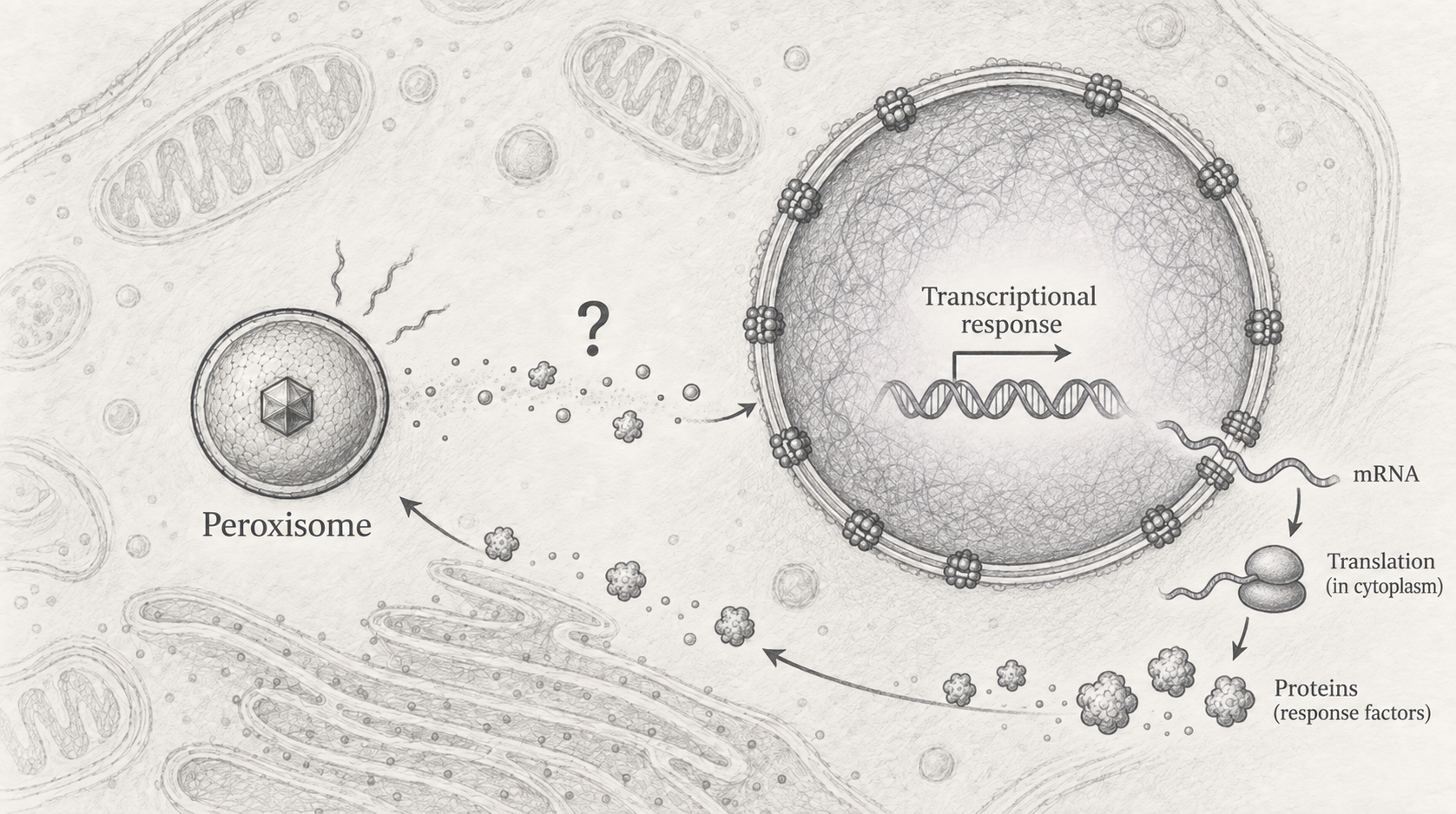
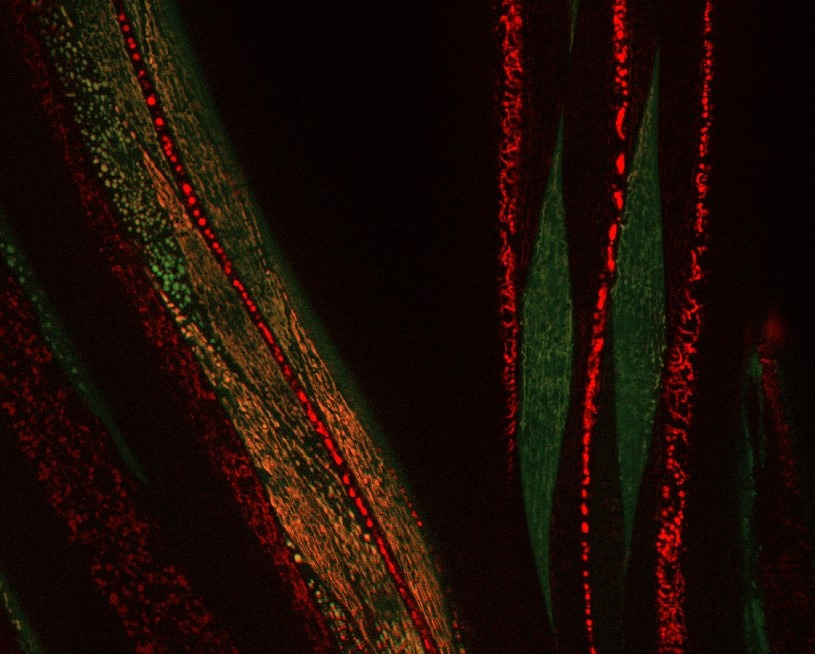
Diagram illustrating peroxisome stress responses and transcriptional response to the nucleus
Mitochondria

Mitochondrial stress responses

Mitochondria are essential double-membrane organelles that support energy production and many other cellular functions. Mitochondrial dysfunction is linked to neurodegenerative and metabolic disease, aging and muscle loss. We investigate how cells sense mitochondrial dysfunction, which stress responses are activated, and when these adaptive pathways protect physiology or instead contribute to disease.

Fluorescence microscopy image illustrating mitochondrial stress responses
Aging
Cancer
Neurodegeneration
Development
Communication
Biogenesis
Maturation

PEOPLE

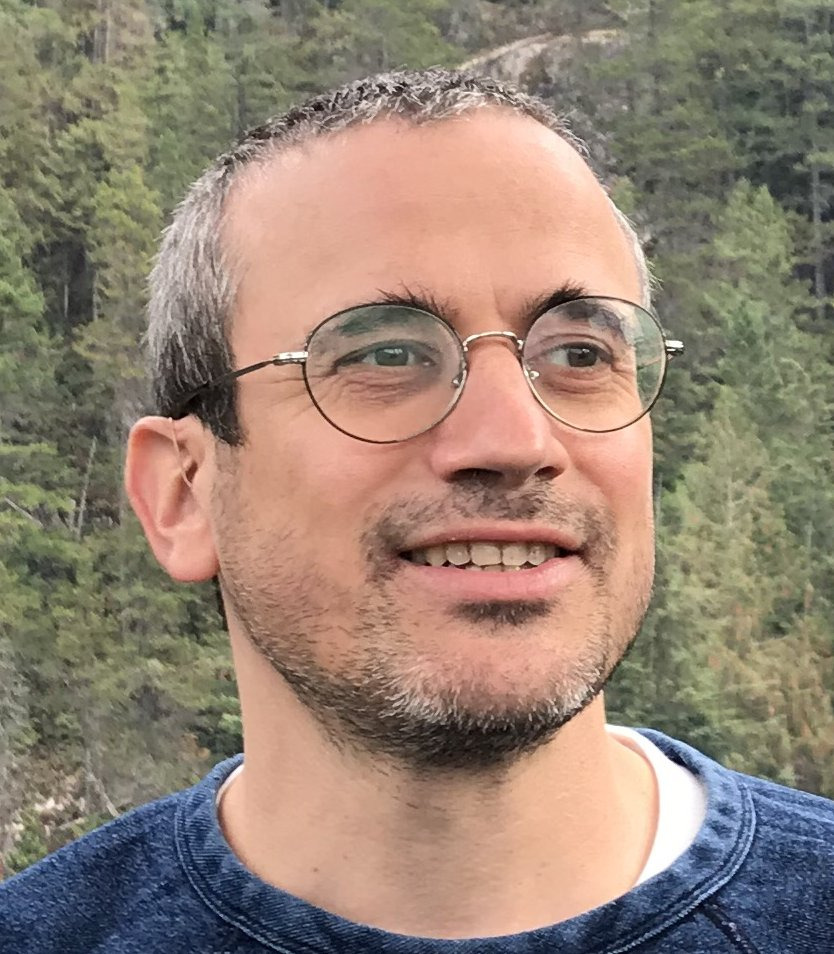
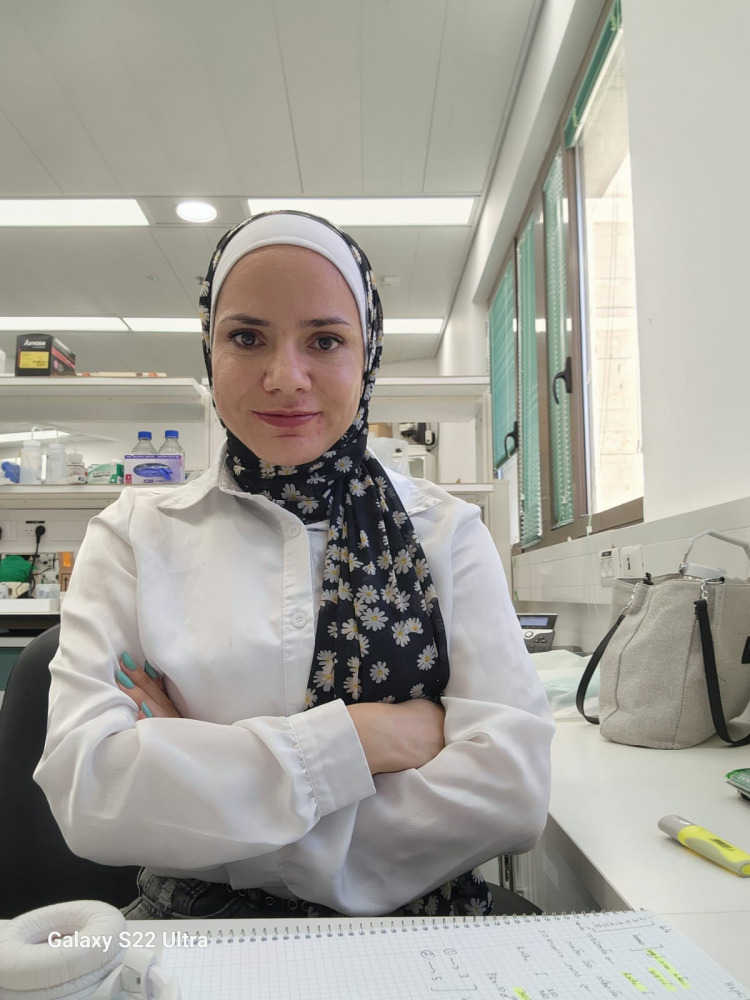
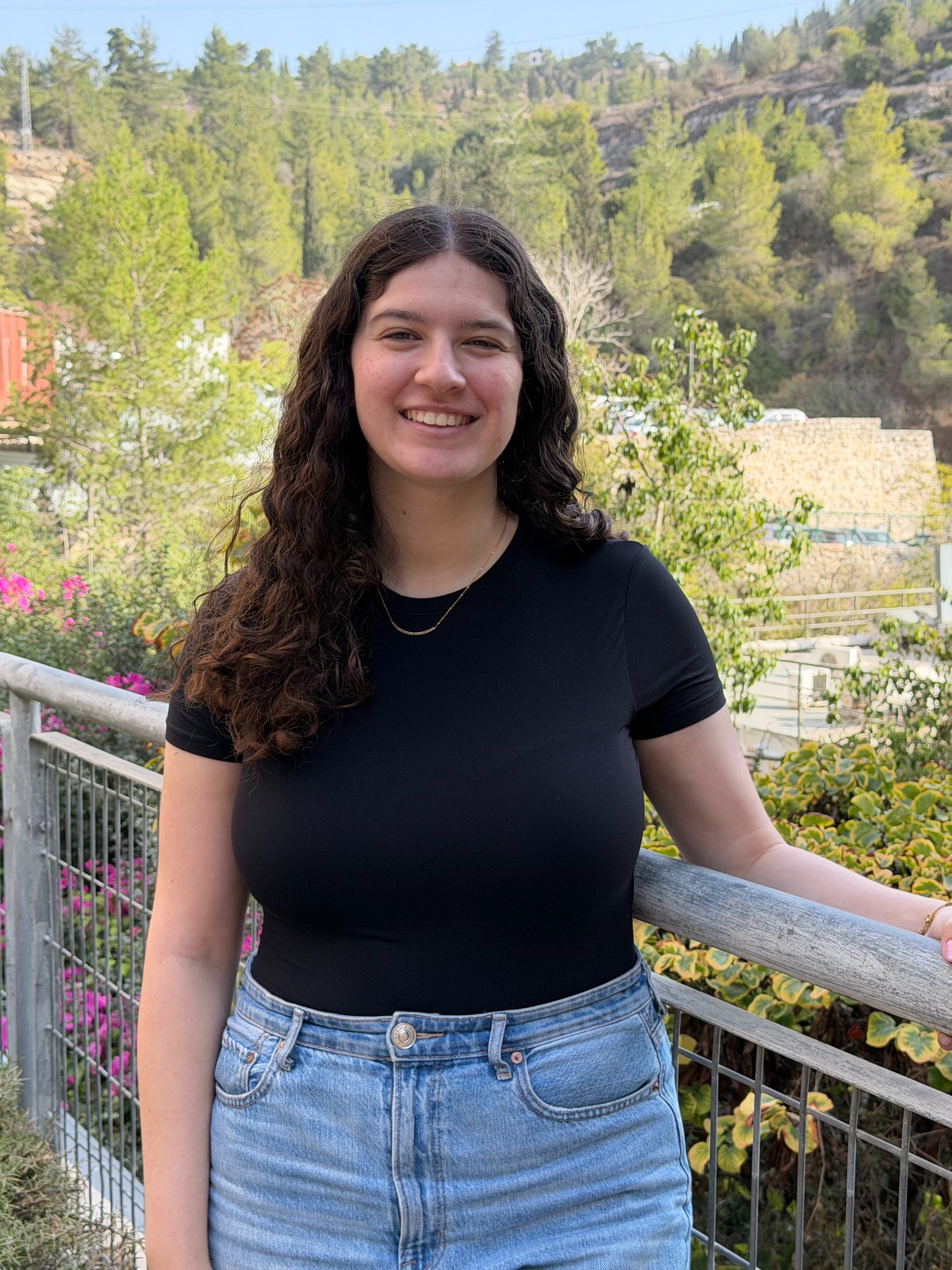
The Shpilka Lab team.

A small group with a shared interest in organelles, stress biology and experiments that connect molecular mechanisms to physiology.

LAB LIFE

Beyond the bench.

A glimpse of life in the Shpilka Lab — experiments, conferences, trips, celebrations and everything in between.

Selected publications

A selection of our research. For the complete and current publication record, see ORCID.

View ORCID profile ↗

JOIN US

Come ask organelle questions with us.

We welcome inquiries from motivated MSc and PhD students, postdoctoral researchers and other scientists interested in organelle biology, stress responses, C. elegans, mitochondria or peroxisomes.

Interested in joining?

Send a short introduction, your scientific interests and a CV.

Email the lab

CONTACT

Find us in Jerusalem.

Department of Biochemistry & Molecular Biology · Faculty of Medicine · Hebrew University of Jerusalem.

Shpilka Lab

Butner Building · First floor · Room 127
Hadassah Ein Kerem campus
Jerusalem 9112102 · Israel

Lab: +972 2 675 7348
Office: +972 2 675 8283

tomers@ekmd.huji.ac.il